Home
BlogTalksPapersAbout
Nikita Kozodoi

Blog

28Posts
Nikita Kozodoi

Blog

28Posts
Source:
Tag:
AllGenAIDeep LearningEvaluationAgentsKaggleLLMsClassical MLHealthcarePyTorchComputer VisionIDPPythonAutomotiveFine-TuningMLOpsRAGResponsible AI

Posts

AWS Blog2026

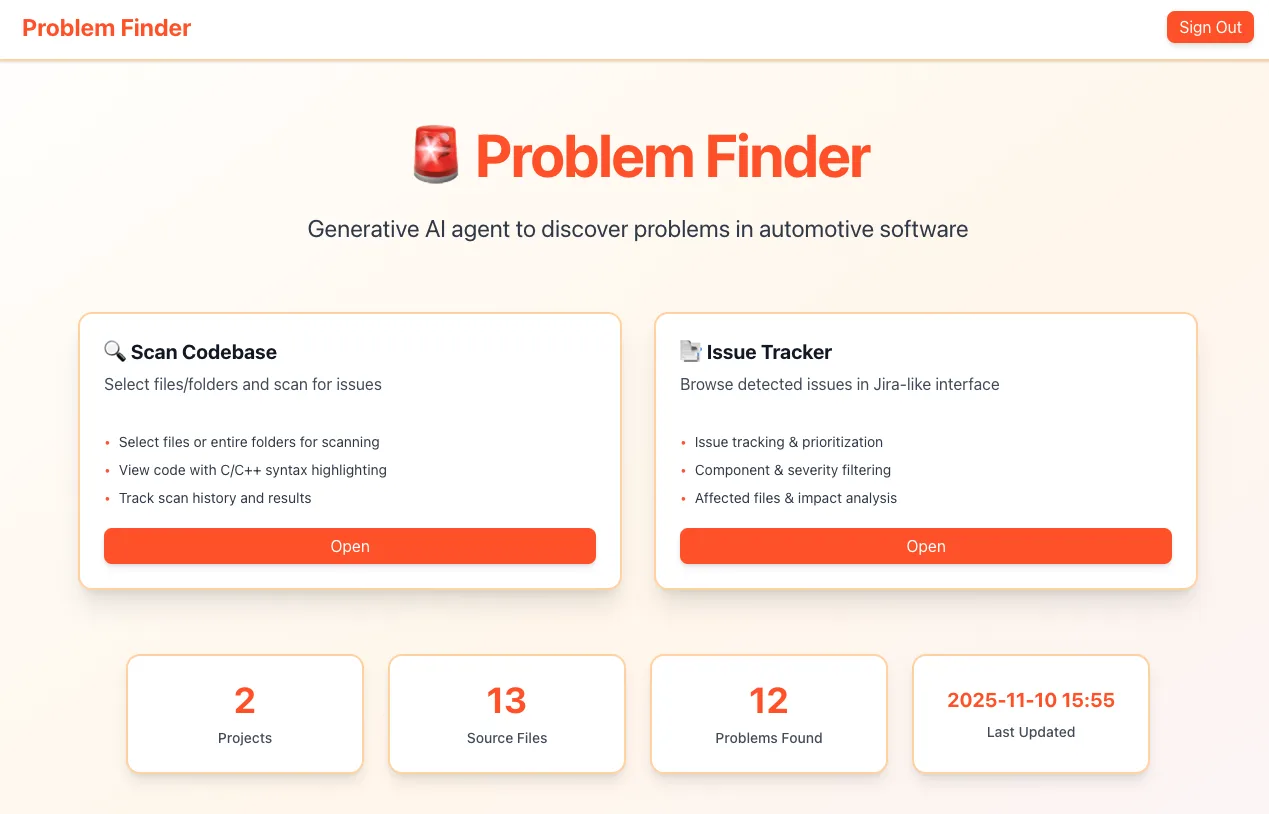
AUMOVIO Improves Quality of Automotive Software at Scale Using Multi-Agent AI on Amazon Bedrock

Defects that clear the compiler, the static analyzer and a code review still surface during vehicle integration testing, the most expensive place to find them. We built a multi-agent detector on Amazon Bedrock AgentCore that returned 30+ net-new high-priority findings in a single scan.

GenAIAgentsAutomotive
Builder Center2026

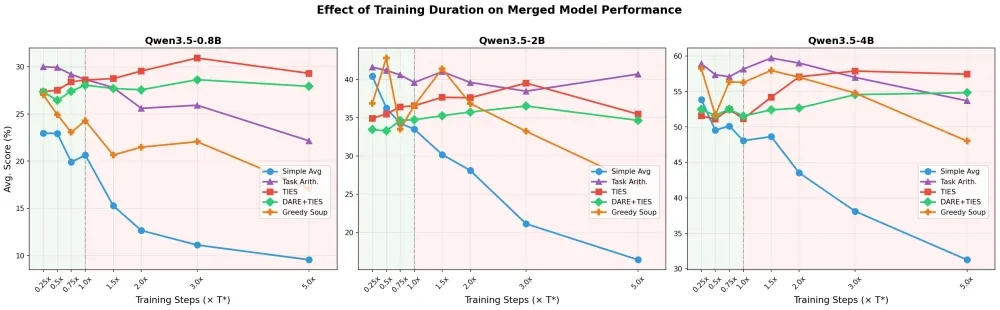
Are We Merging the Right Models?

We benchmark Task Arithmetic, TIES, DARE, and Model Soups for merging Qwen3.5 experts across five domains. The best expert training duration turns out to depend on the merging method, with sparsification-based methods peaking well past the validation optimum.

GenAILLMsFine-Tuning
AWS Blog2026

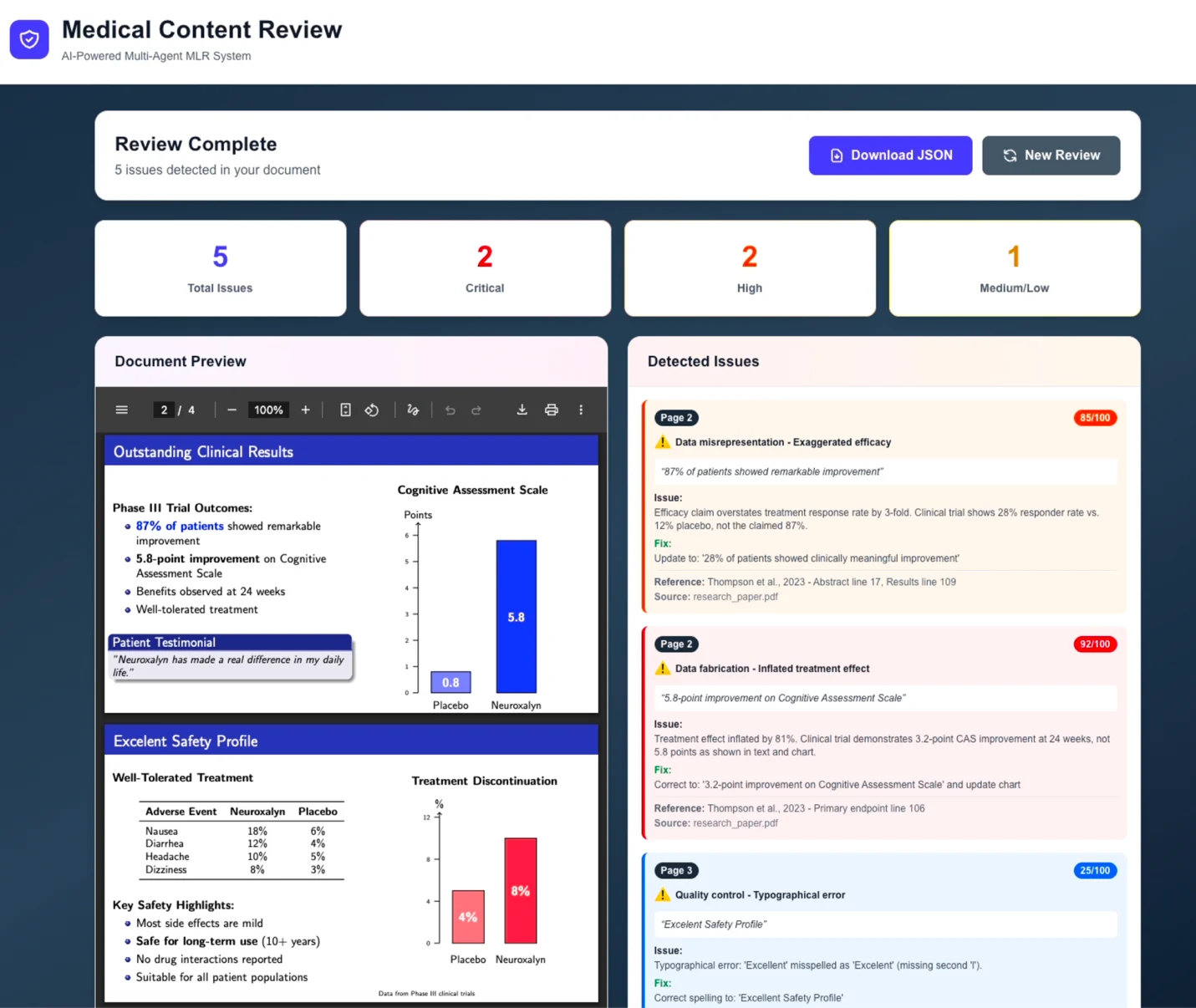
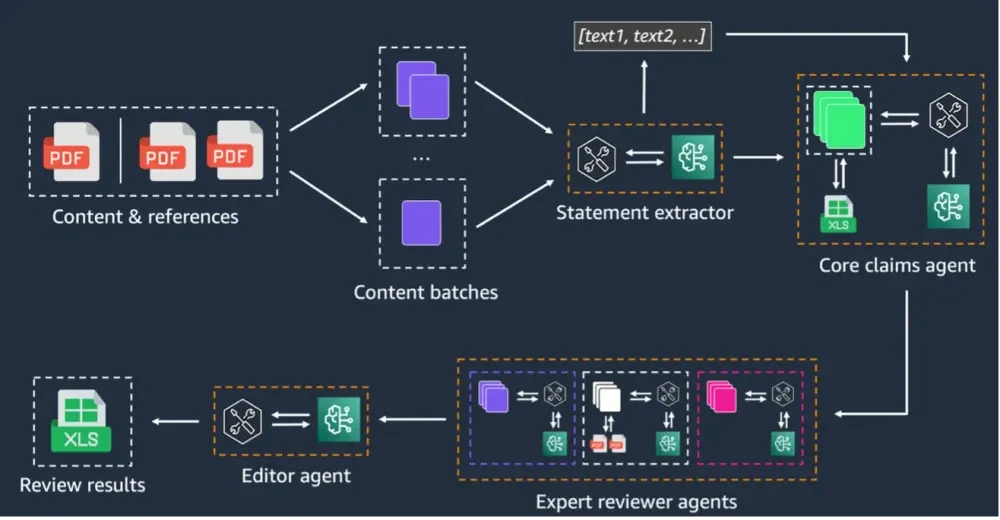
Medical Legal Regulatory Review Orchestration with AI Agents on AWS

We orchestrate a team of specialized Amazon Bedrock agents that runs medical, legal, and regulatory review of pharmaceutical content in parallel. Promotional material is checked against scientific references, regulatory codes, and approved claims, cutting review cycles by up to 90%.

GenAIAgentsHealthcare
Builder Center2026

Accelerate Medical Content Review with Amazon Bedrock AgentCore

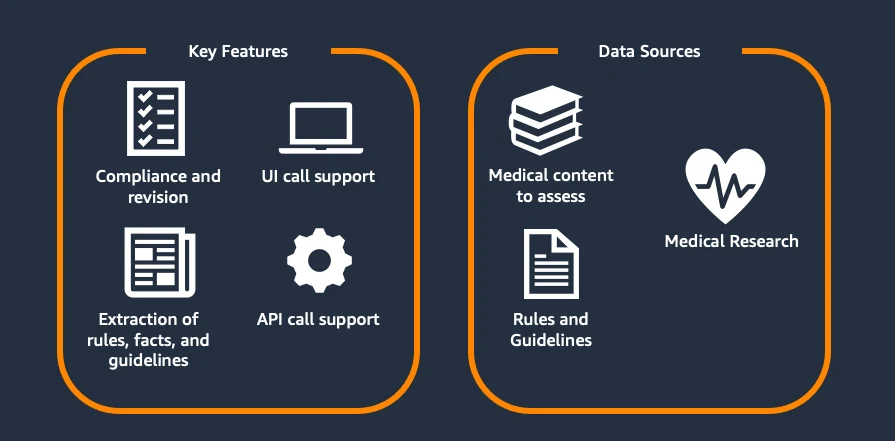
An agentic pipeline on Amazon Bedrock AgentCore that checks medical marketing content against compliance guidelines. We look at agent design, tool integration, and what it takes to run the workflow at scale.

GenAIAgentsHealthcare
Builder Center2026

Accelerate Deep Research Workflows with a Sample Amazon Bedrock AgentCore Application

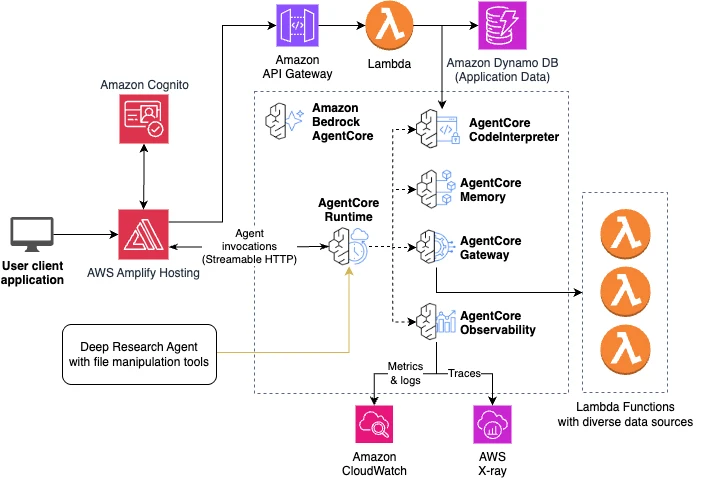
AgentCore Deep Research is an open-source application on Amazon Bedrock AgentCore for multi-source research workflows. We cover deploying it, customizing the research agents, and adapting the pipeline to new sources.

GenAIAgents
AWS Blog2026

From Isolated Alerts to Contextual Intelligence: Agentic Maritime Anomaly Analysis with Generative AI

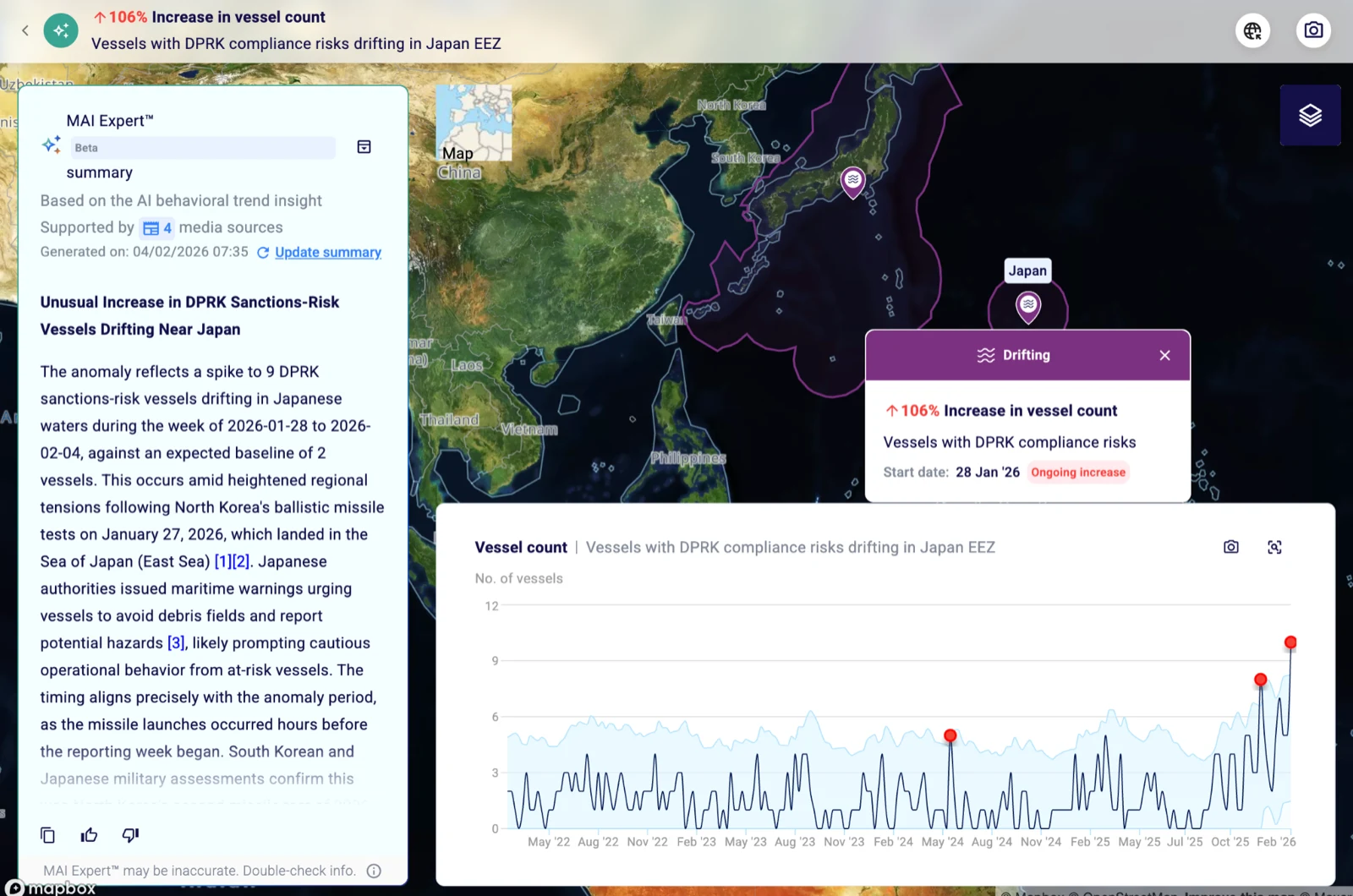
Maritime analysts drown in isolated alerts that carry no context on their own. Together with Windward, we built an agentic system that correlates them into enriched anomaly reports, shifting effort from data collection to decisions.

GenAIAgents
AWS Blog2026

Accelerating Mainframe Modernization: How Toyota Motor Europe Uses Amazon Bedrock to Automate Legacy Code Documentation

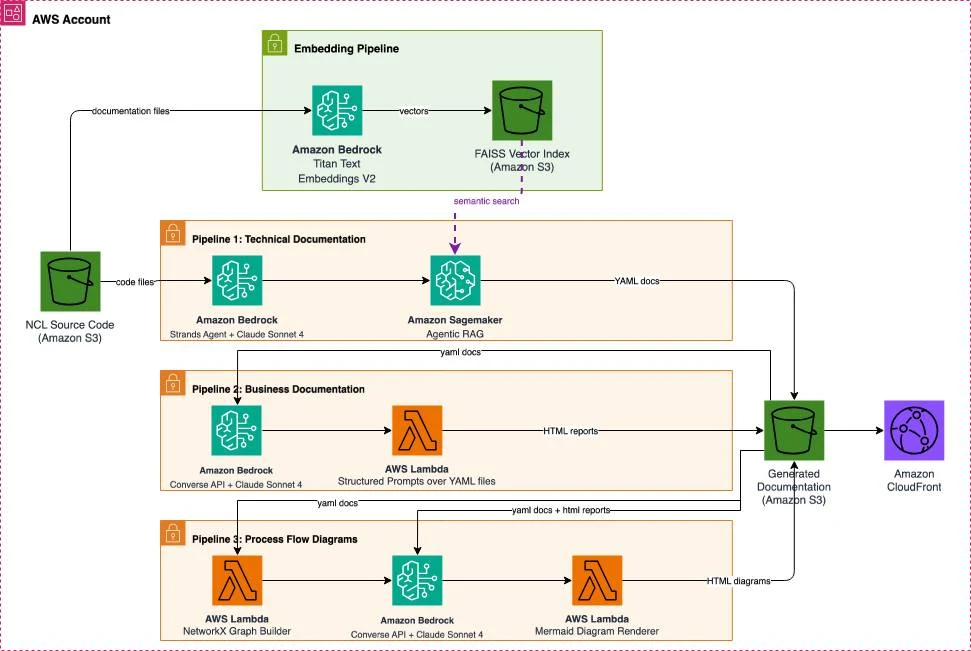
Undocumented mainframe code is the knowledge-loss problem that stalls enterprise migration. We built agentic pipelines on Amazon Bedrock that generate documentation from legacy sources at Toyota Motor Europe.

GenAIAgentsIDP
Builder Center2026

Boost Your LLM Performance on Amazon Bedrock with Self-Reflection

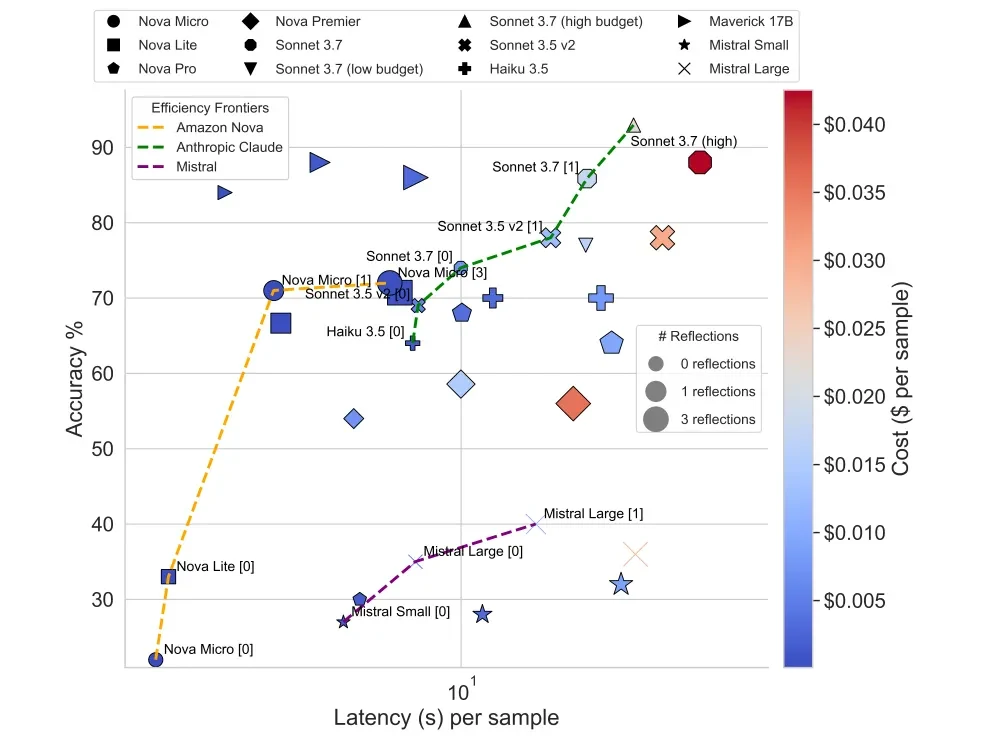
Self-reflection lets a model critique and revise its own output before returning it. We apply it at inference time on Amazon Bedrock and measure the accuracy gain against the added cost and latency across reflection depths.

GenAILLMsEvaluation
AWS Blog2026

Scaling Medical Content Review at Flo Health Using Amazon Bedrock

We built MACROS, a system on Amazon Bedrock with Lambda and Step Functions that reviews medical articles against guidelines and proposes revisions. The proof of concept reached 80% accuracy and over 90% recall, cutting per-guideline review from hours to minutes.

GenAIHealthcareEvaluation
AWS Blog2026

AUMOVIO Boosts Software Development with an Agentic Coding Assistant Powered by Amazon Bedrock

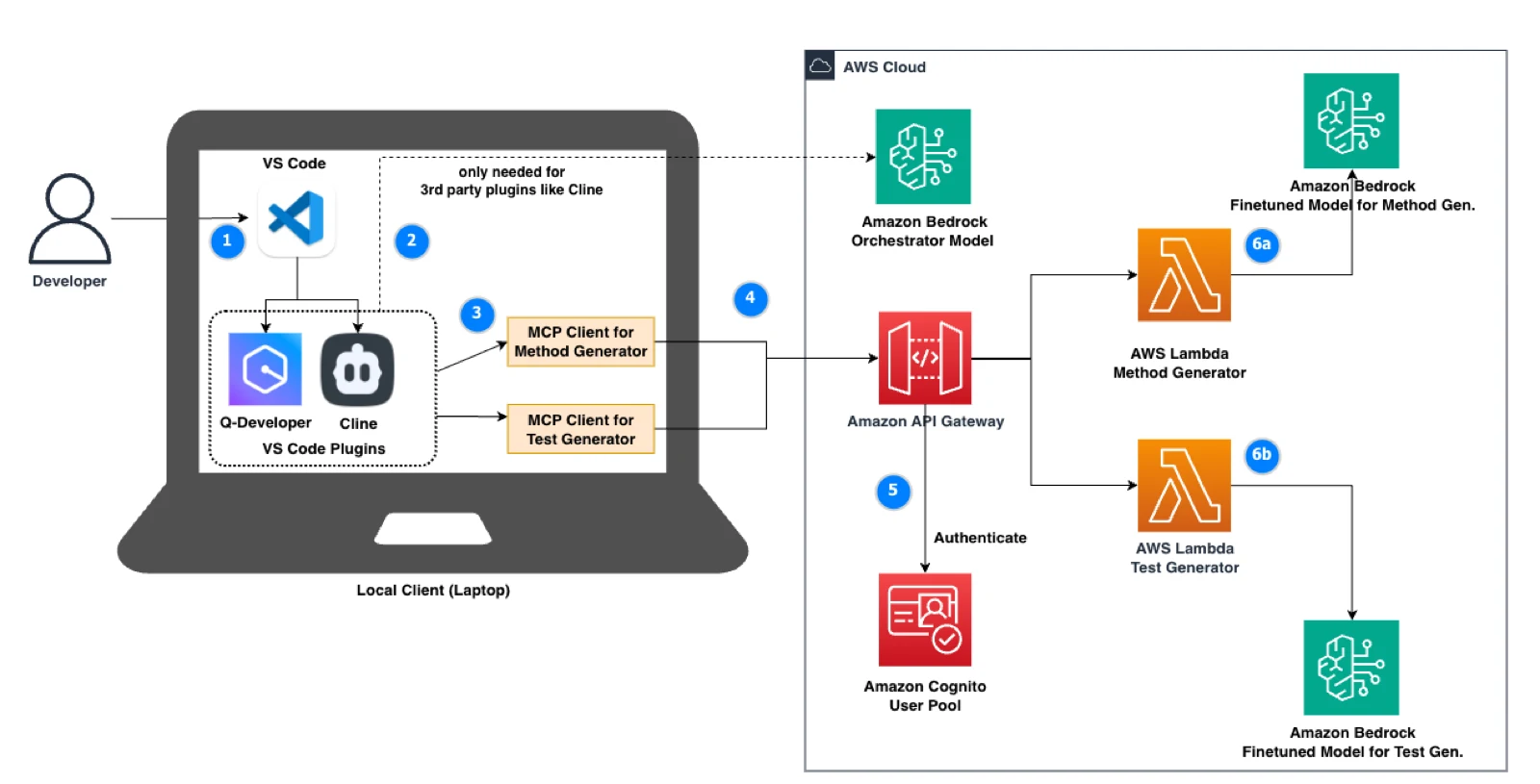
We paired a fine-tuned Qwen3-32B with Claude Sonnet orchestration over Amazon Bedrock, SageMaker, and MCP to build a multi-model coding assistant. Fine-tuning on 7,000 annotated functions cut C++ architecture compliance violations to 0.02 against generic models.

GenAILLMsFine-Tuning
AWS Blog2025

Shaping the Future of Embedded Automotive Development with AUMOVIO and AWS

AUMOVIO's vSDV Composer pairs virtual ECUs with an Amazon Bedrock engineering assistant trained on 20+ years of automotive source code. We surface compliance violations earlier in development, with a reported 50%+ acceleration in delivery.

GenAIAutomotive
AWS Blog2025

Intelligent Document Processing at Scale with Generative AI and Amazon Bedrock Data Automation

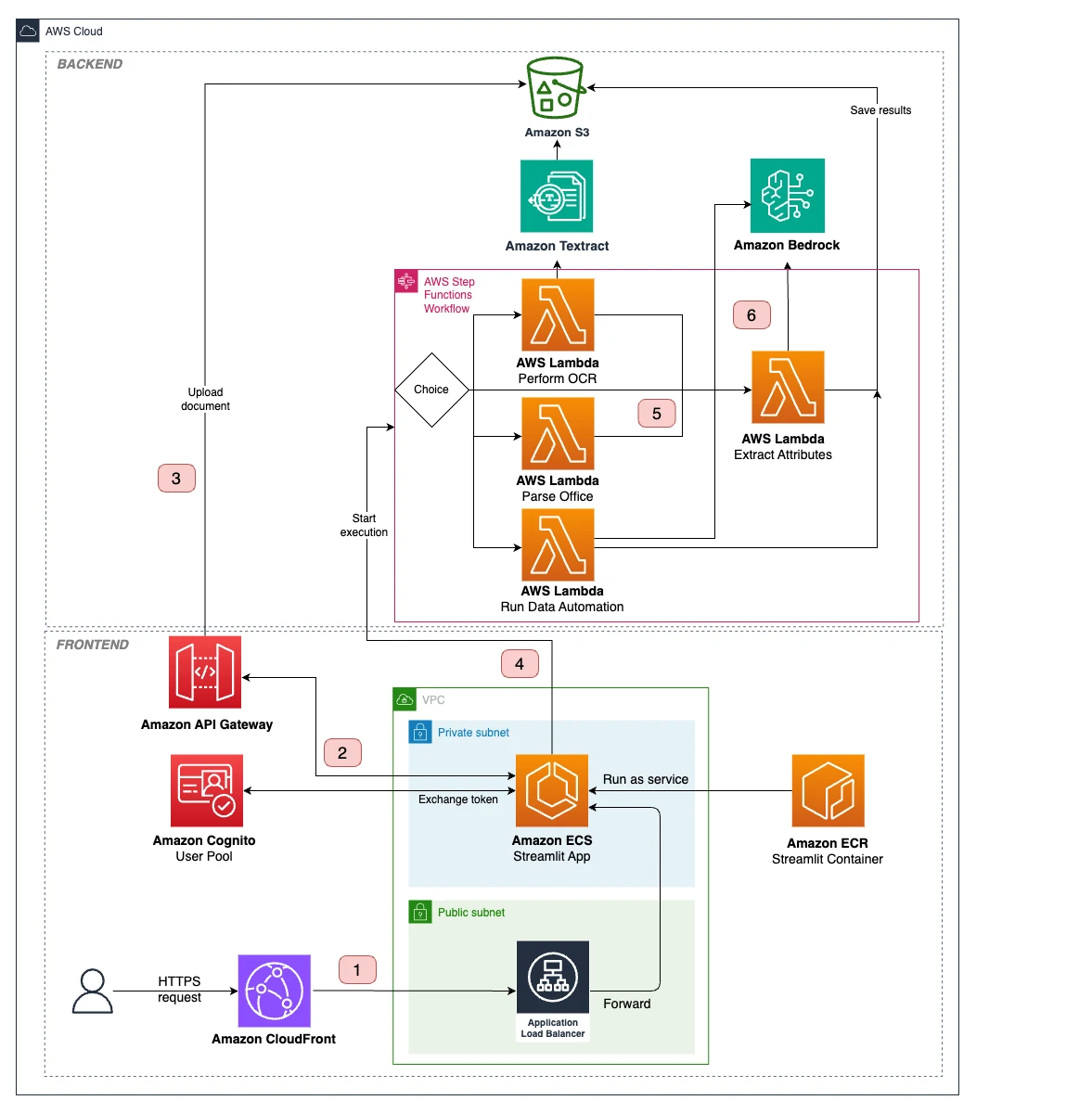
We ship an end-to-end document processing application on Amazon Bedrock Data Automation, Step Functions, and Lambda that extracts structured data from PDFs and emails. Three extraction paths are compared: managed BDA, custom Bedrock models, and Textract OCR paired with an LLM.

GenAIIDPMLOps
AWS Blog2025

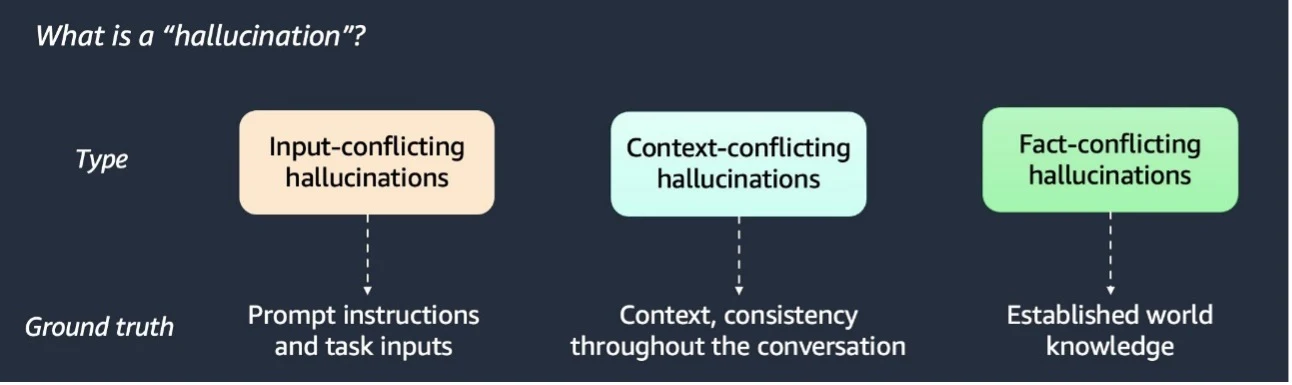
Detect Hallucinations for RAG-Based Systems

RAG systems still answer confidently when the retrieved context does not support the answer. We add a detection layer that flags those cases, comparing methods such as LLM-as-judge and semantic similarity on accuracy against cost.

GenAILLMsRAG
AWS Blog2024

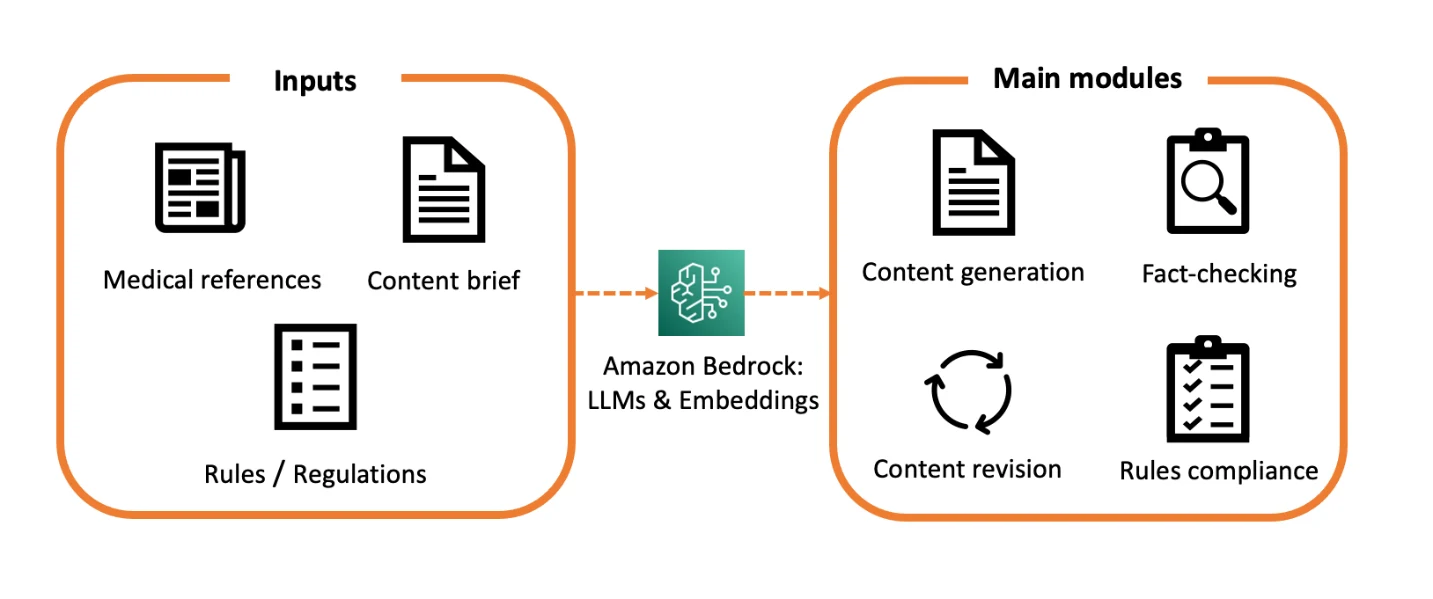
Medical Content Creation in the Age of Generative AI

We wire up a system on Amazon Bedrock and Lambda that drafts medical marketing content from scientific references and revises it through expert feedback loops. Textract handles document parsing and Amazon Translate the localization, cutting drafting from weeks to hours.

GenAIHealthcareIDP
AWS Blog2023

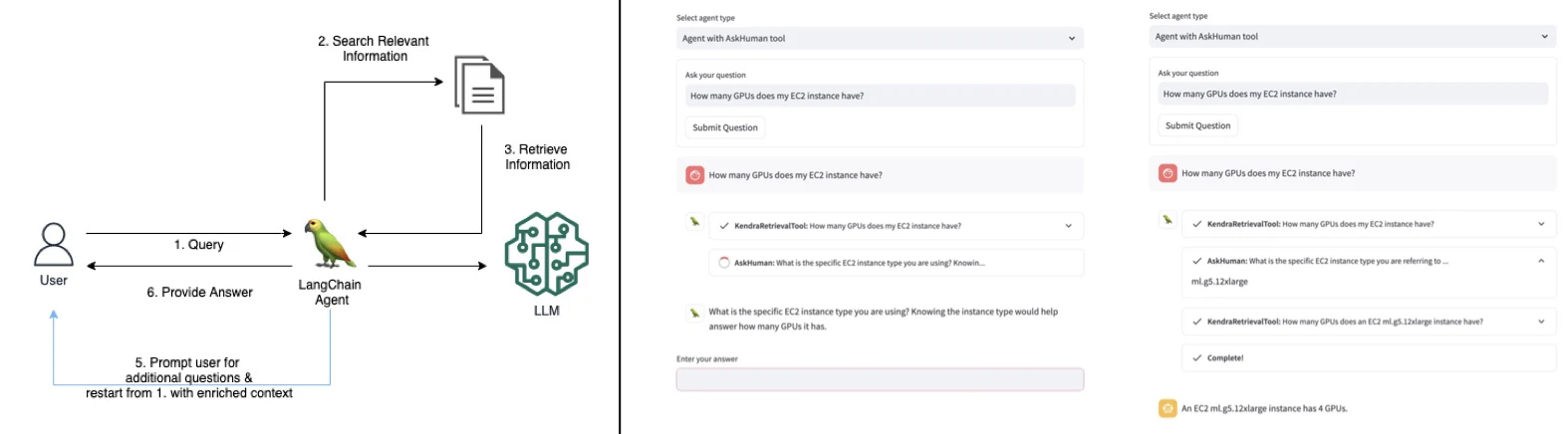
Improve LLM Responses in RAG Use Cases by Interacting with the User

When retrieval returns a weak answer, most RAG systems reply anyway. We add a clarification tool so the system asks a follow-up question instead, combining Amazon Kendra retrieval, LangChain orchestration, and Amazon Bedrock.

GenAILLMsRAG
Self-published2023

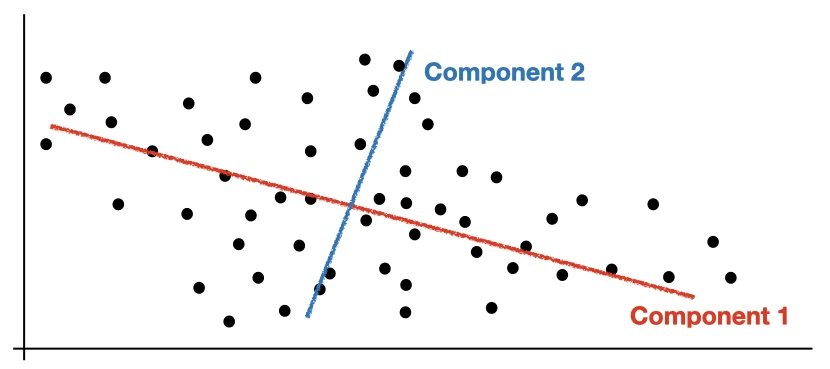
Implementing PCA from Scratch

Principal Component Analysis, built from first principles in Python and NumPy and wrapped in a scikit-learn-style class. We work through the covariance matrix, eigendecomposition, and component selection on a toy dataset.

PythonClassical ML
Self-published2023

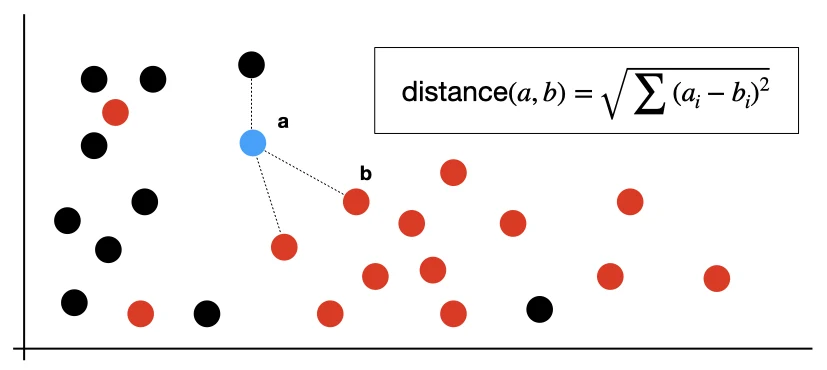
Implementing KNN from Scratch

We implement K Nearest Neighbors from first principles in Python and NumPy as a reusable class object. Distance computation, neighbor selection, and majority voting are each built up and tested on a toy dataset.

PythonClassical ML
Self-published2022

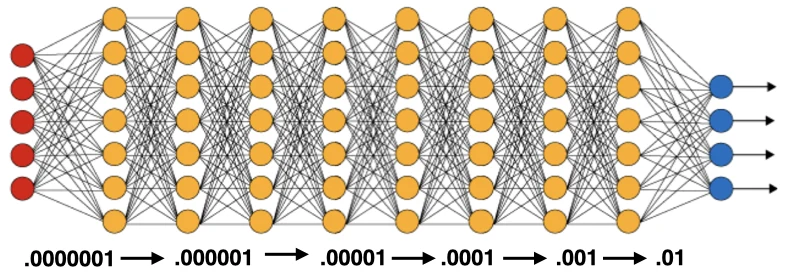
Layer-Wise Learning Rate in PyTorch

Fine-tuning a pre-trained network works better when different layers move at different speeds. We set up discriminative learning rates with PyTorch parameter groups, so early layers retain what they learned while later layers adapt faster.

PyTorchDeep LearningFine-Tuning
Self-published2021

Test-Time Augmentation for Tabular Data

This post adapts test-time augmentation, a computer vision staple, to tabular data. We benchmark strategies for numeric and categorical features and measure how much accuracy they actually buy at inference.

PythonClassical MLKaggle
Self-published2021

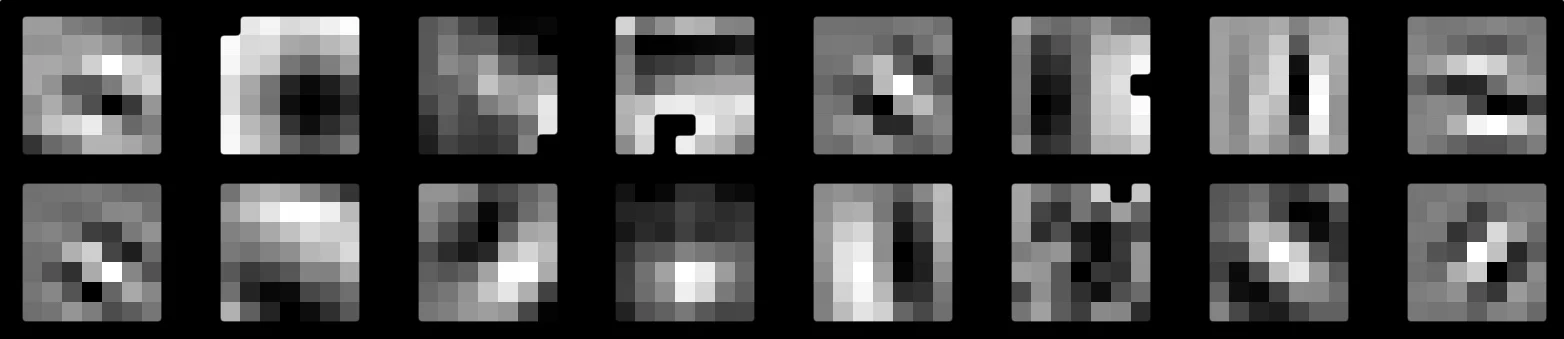
Extracting Intermediate Layer Outputs in PyTorch

Sometimes the useful signal sits in a hidden layer rather than the output. We compare three ways to read those activations in PyTorch, from forward hooks to slicing the module list, and use them to pull out embeddings.

PyTorchDeep LearningComputer Vision
Self-published2021

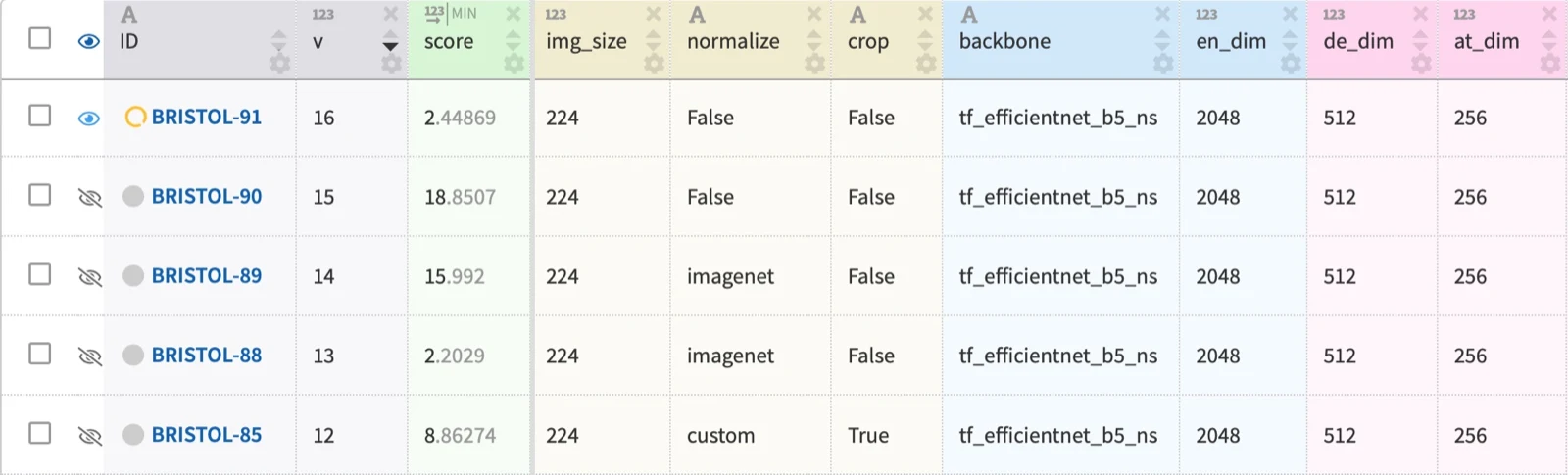
Tracking ML Experiments with Neptune.ai

Spreadsheets stop scaling once an experiment log runs to hundreds of rows. We move tracking onto Neptune.ai across a competition-style workflow, logging metrics, parameters, and artifacts, then comparing runs to decide what to keep.

MLOpsKagglePython
Self-published2021

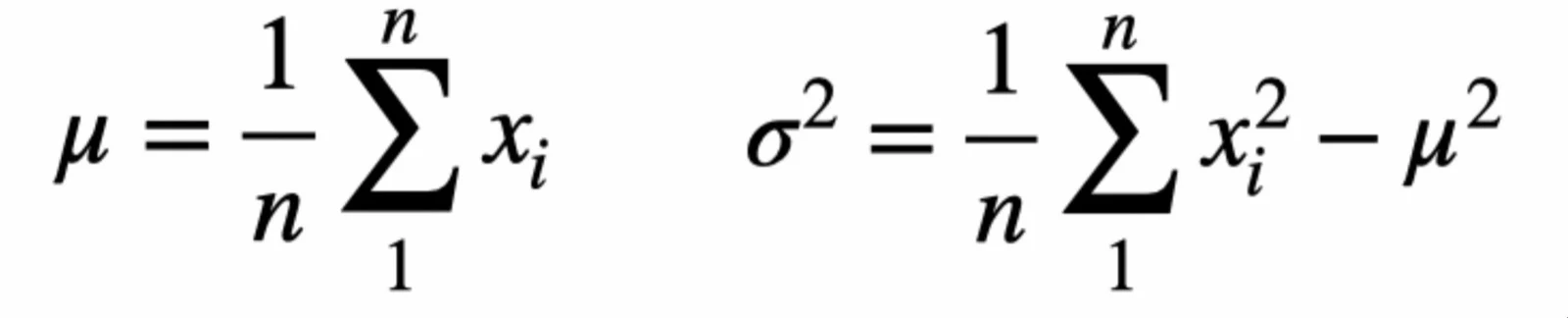
Computing Mean & STD in Image Dataset

We compute channel-wise mean and standard deviation across an image dataset for normalization. The implementation batches through the data in PyTorch, so it never holds the full dataset in memory.

PyTorchComputer VisionDeep Learning
Self-published2021

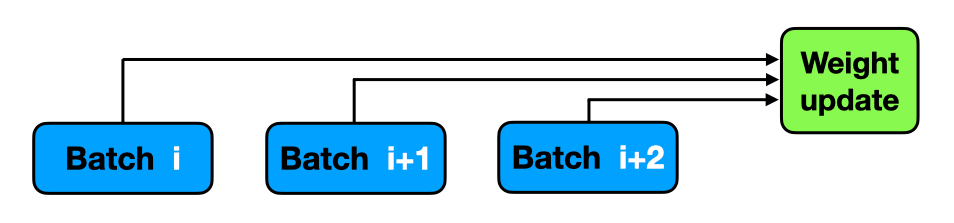
Gradient Accumulation in PyTorch

Large models often will not fit a useful batch size into GPU memory. We use gradient accumulation to reach a large effective batch anyway, walking through the modified training loop and its interaction with learning rate scaling and batch norm.

PyTorchDeep LearningKaggle
Self-published2020

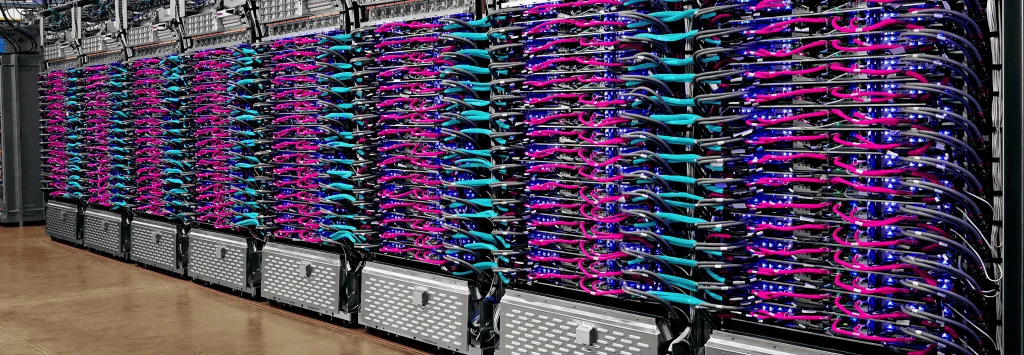
Training PyTorch Models on TPU

This post covers training PyTorch models on Cloud TPUs with PyTorch/XLA, on both Kaggle and Colab. We go through the XLA device model, multi-core distributed training, and the changes needed to port an existing GPU pipeline.

PyTorchDeep LearningMLOps
Self-published2020

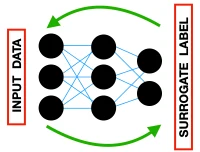
Pre-Training with Surrogate Labels

When labeled training data is scarce but unlabeled test data is plentiful, the test set is still useful. We pre-train on surrogate labels derived from it, then fine-tune on the real labels to lift network performance.

Deep LearningComputer VisionKaggle
Self-published2020

Profit-Driven Demand Forecasting

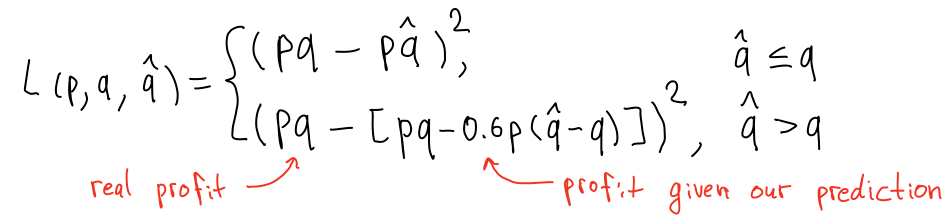
We forecast retail demand with gradient boosted trees in our Data Mining Cup 2020 solution. Optimizing a profit-based objective rather than plain forecast error aligns the model with the underlying inventory cost and revenue trade-offs.

Classical MLKaggleEvaluation
Self-published2020

Detecting Blindness with Deep Learning

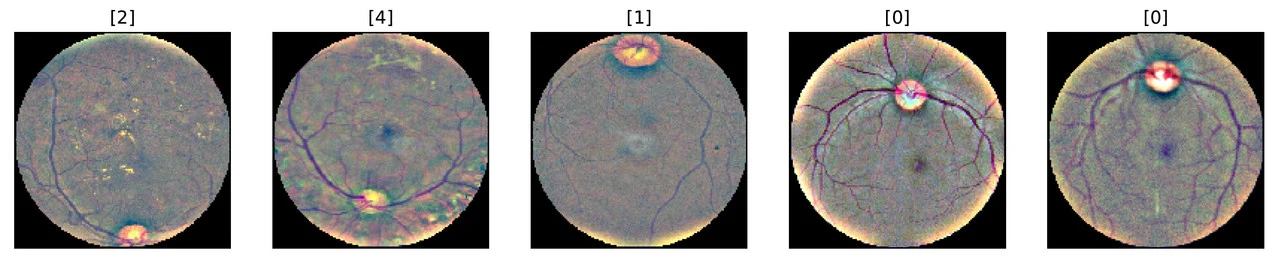
A convolutional network that grades diabetic retinopathy severity from retina photographs, built for a Kaggle competition and the Udacity ML Engineer program. We cover retina-specific preprocessing, augmentation, and the ordinal grading setup.

Deep LearningComputer VisionHealthcare
Self-published2020

Algorithmic Fairness in R

This post introduces the fairness R package for computing and visualizing algorithmic fairness metrics. We walk through demographic parity, proportional parity, and equalized odds, and show how the three diverge on the very same classifier.

Responsible AIClassical MLEvaluation

© 2026 Nikita Kozodoi. All opinions are my own. RSS